
Turkey
Turkey, a transcontinental country straddling Eastern Europe and Western Asia, is a captivating blend of history, culture, and natural beauty. With a legacy that spans ancient civilizations, the Byzantine and Ottoman empires, and a modern, dynamic society, Turkey offers a diverse and enriching travel experience. Here’s a comprehensive exploration of this fascinating nation
Geography and Location
Turkey is strategically located at the crossroads of Europe and Asia, bordered by eight countries and surrounded by three different seas—the Aegean, the Mediterranean, and the Black Sea. Its diverse landscapes encompass mountains, plateaus, and coastal regions.
Istanbul – The Gateway
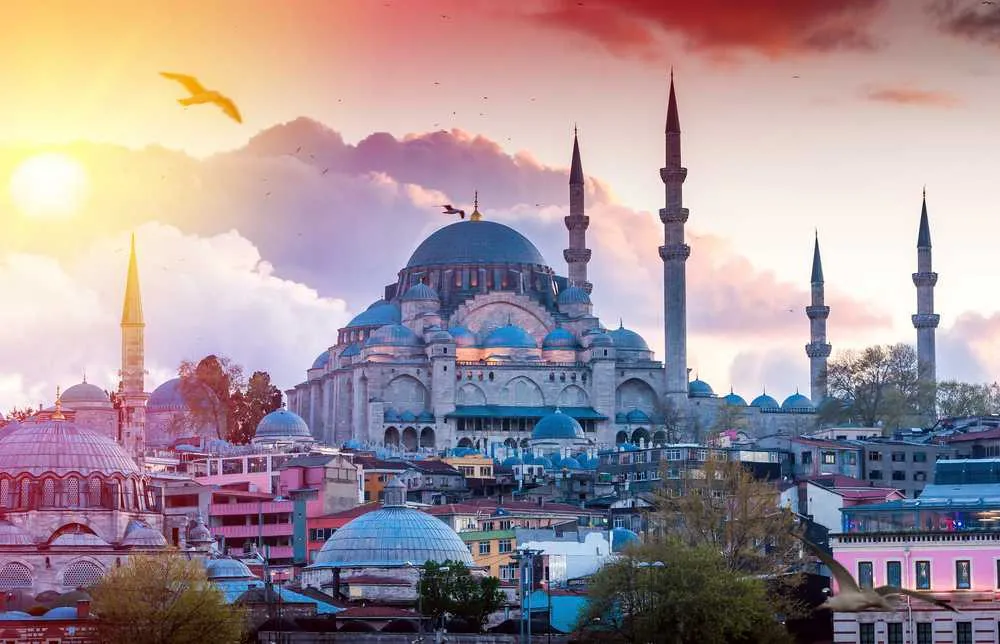
Istanbul, Turkey’s largest city, straddles the continents of Europe and Asia. The city is home to iconic landmarks such as the Hagia Sophia, Blue Mosque, Topkapi Palace, and the Grand Bazaar. The Bosporus Strait, separating the European and Asian sides, adds to the city’s unique charm.
Historical Riches
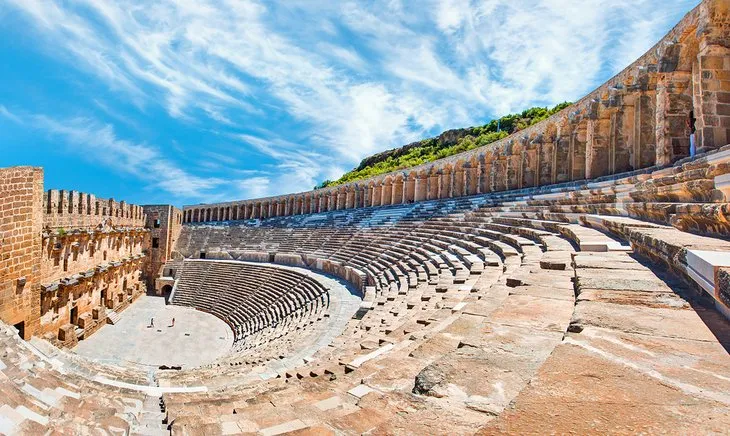
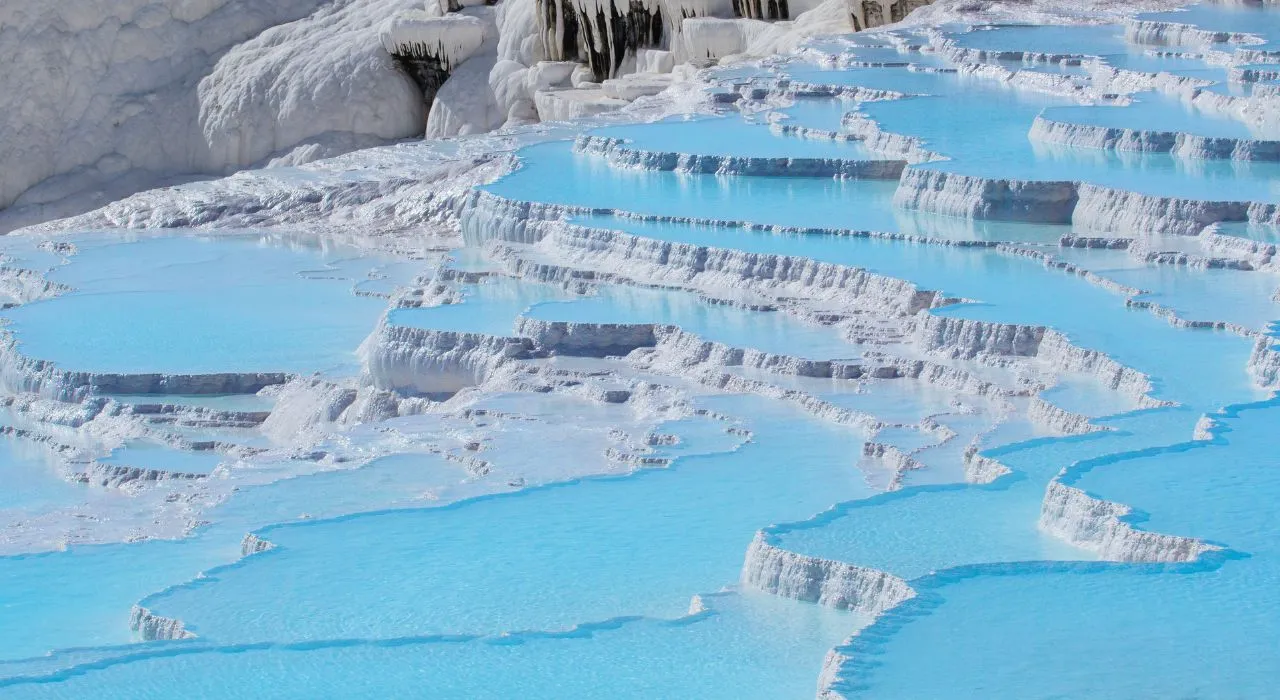
Turkey’s historical legacy is immense. Ephesus, an ancient Greek city, boasts well-preserved ruins including the Library of Celsus and the Temple of Artemis. Troy, immortalized in Homer’s epic poems, and Hierapolis with its travertine terraces in Pamukkale, are UNESCO World Heritage Sites.
Cappadocia’s Unique Landscape
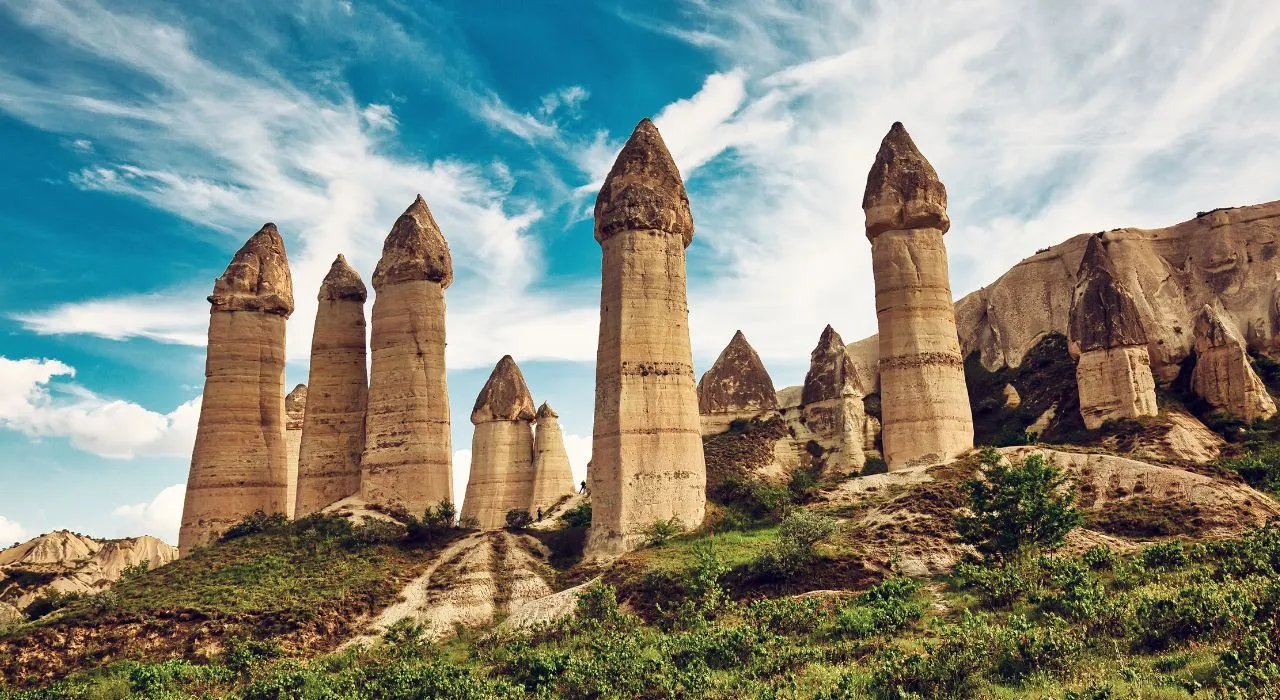
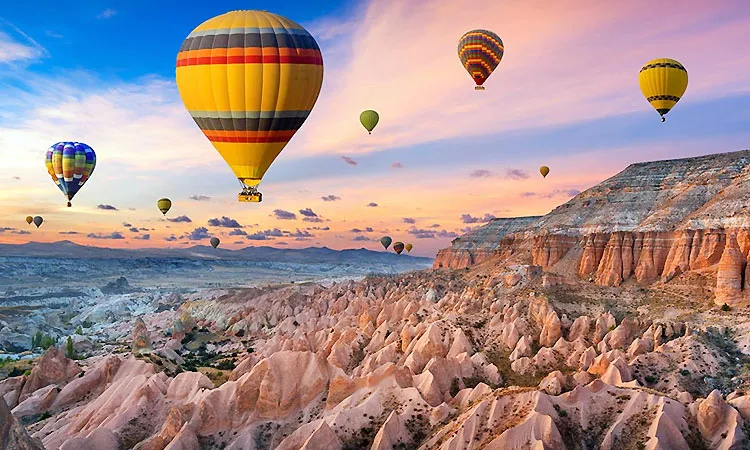
Cappadocia, a region in central Turkey, is renowned for its otherworldly landscapes. Fairy chimneys, rock-cut churches, and cave dwellings create a surreal environment. Hot air balloon rides over the Cappadocian landscape offer a breathtaking perspective.
Pamukkale’s Thermal Pools
Pamukkale, meaning “cotton castle” in Turkish, is famed for its terraces of white mineral-rich thermal pools. The ancient city of Hierapolis, perched atop Pamukkale, further enhances the historical and natural appeal of the area.
Turkish Riviera
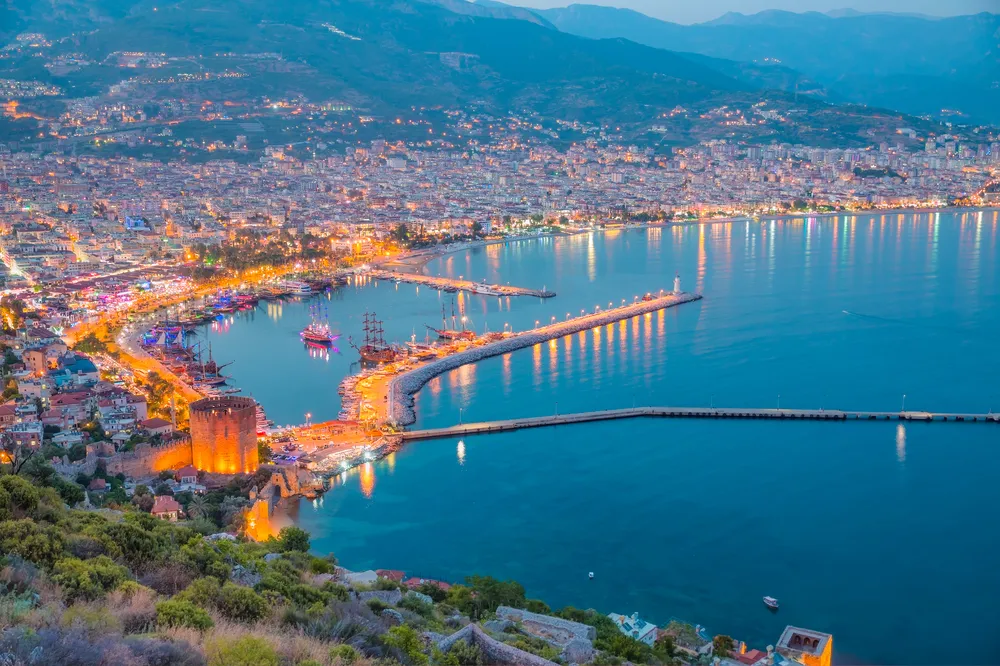
The Turkish Riviera, also known as the Turquoise Coast, boasts pristine beaches, azure waters, and charming seaside towns. Antalya, Bodrum, and Marmaris are popular destinations offering a perfect blend of sun-soaked relaxation and historical exploration.
Turkish Cuisine
Turkish cuisine is a delightful fusion of flavors influenced by Middle Eastern, Mediterranean, and Central Asian cuisines. Kebabs, mezes, baklava, and Turkish delight are just a few of the culinary delights that captivate the taste buds.
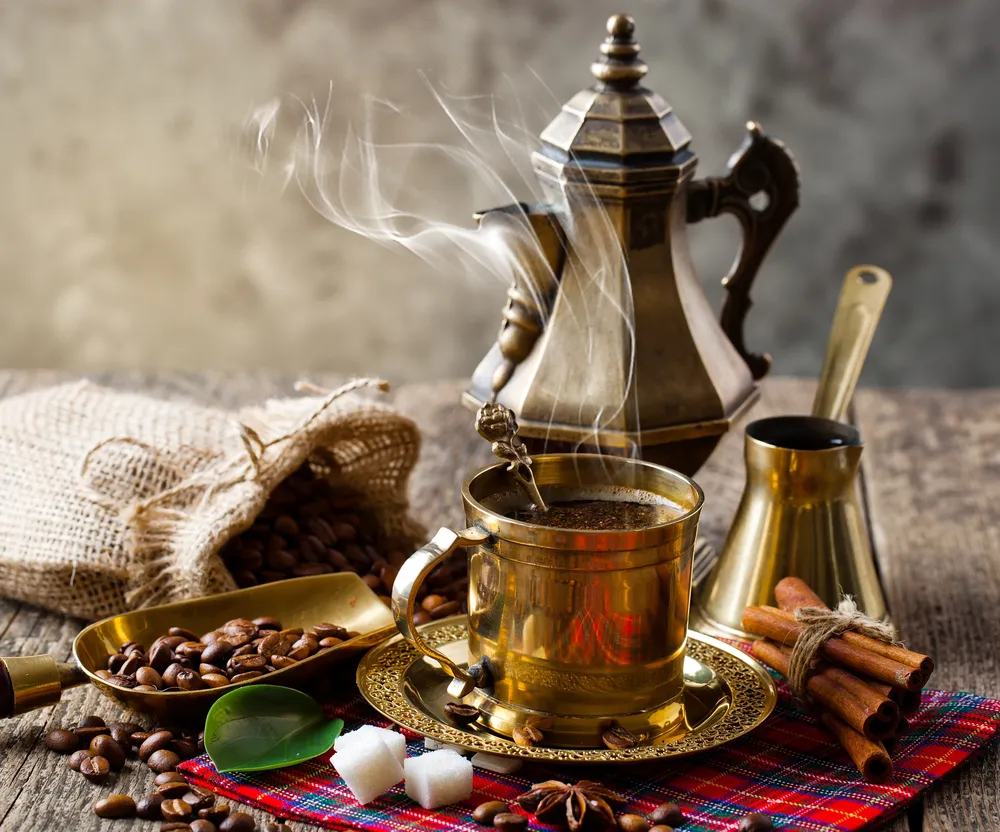
Turkish Tea and Coffee Culture
Tea and coffee hold a special place in Turkish culture. Turkish tea, served in small glasses, is a ubiquitous beverage enjoyed throughout the day. Turkish coffee, thick and rich, is traditionally prepared and enjoyed with a side of Turkish delight.
Hospitable Culture
Turkey is known for its warm and welcoming culture. Turkish hospitality, encapsulated in the phrase “Mehmetçik kendi sofrasını basar,” translates to “A Turkish soldier would share his own food with a guest.”
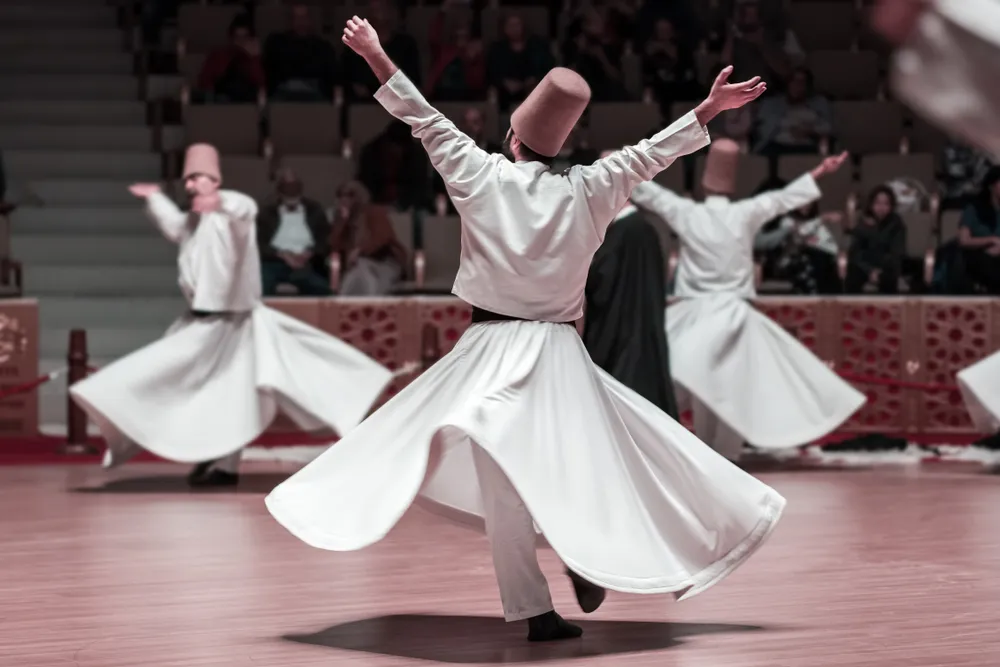
The Whirling Dervishes
The Mevlevi Order, known for its Whirling Dervishes, originated in Turkey. The Sufi dance, a form of spiritual meditation, is a mesmerizing and symbolic ritual that represents the cosmic dance and unity with the divine.
Turkish Arts and Crafts
Turkey has a rich tradition of arts and crafts. Turkish carpets, ceramics, calligraphy, and miniature painting showcase the country’s artistic heritage. The Grand Bazaar in Istanbul is a labyrinth of shops offering a variety of handcrafted goods.
Mount Ararat and Noah’s Ark Legend
Mount Ararat, an iconic symbol in Turkish culture, is associated with the legend of Noah’s Ark. The mountain’s snow-capped peaks, towering over the Eastern Anatolian region, add a mystical element to the landscape.
Diverse Religious Heritage
Turkey has been home to various civilizations and religions throughout history. The country boasts a rich religious heritage with historic sites such as the Sumela Monastery, the Hittite capital of Hattusa, and the ancient city of Aphrodisias.
Ankara – The Capital
Ankara, the capital of Turkey, is a modern city with a blend of historical and contemporary elements. The Ataturk Mausoleum, Anitkabir, commemorates the founder of modern Turkey, Mustafa Kemal Ataturk.
Hittite Capital of Hattusa
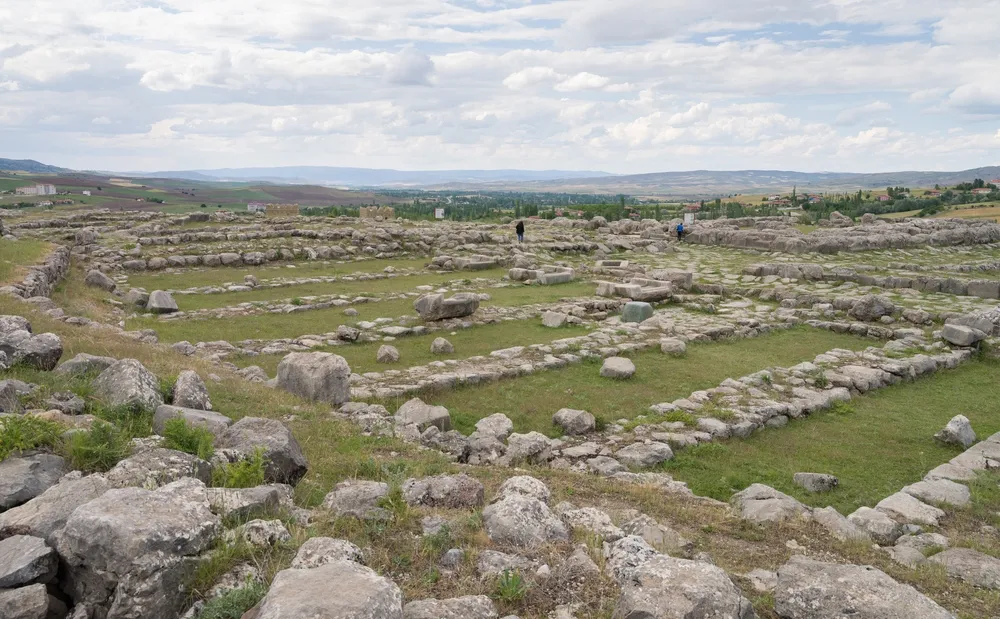
Hattusa, the ancient capital of the Hittite Empire, is a UNESCO World Heritage Site. The archaeological site includes impressive ruins of temples, fortifications, and the Great Temple.
Modern Istanbul
Beyond its historic charm, Istanbul is a vibrant metropolis with modern developments. The city’s contemporary art scene, bustling neighborhoods like Beyoglu, and trendy cafes and galleries contribute to its dynamic atmosphere.
Balloon Festivals
Turkey hosts vibrant balloon festivals, particularly in Cappadocia and Pamukkale. These festivals showcase colorful hot air balloons floating against the backdrop of picturesque landscapes, creating a visual spectacle.
Economic Hub
Turkey is a major economic player in the region, with a diverse and robust economy. Istanbul, with its strategic location, serves as a crucial financial and business hub connecting Europe and Asia.
Turkish Baths (Hamams)
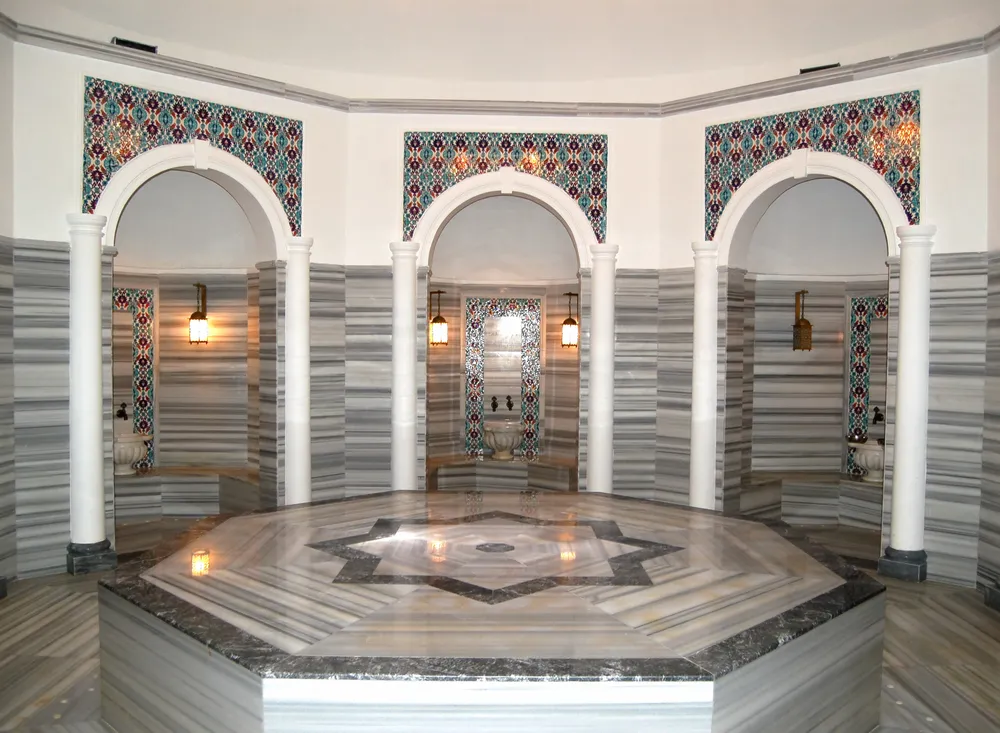
Traditional Turkish baths, or hamams, are an integral part of Turkish culture. These historical bathhouses offer a rejuvenating experience, combining steam, scrubbing, and massage, reflecting the importance of communal bathing in Turkish society.
Turkey’s allure lies in its ability to seamlessly blend ancient traditions with a dynamic modernity. The country’s diverse landscapes, rich cultural heritage, and warm hospitality make it a captivating destination that appeals to history enthusiasts, nature lovers, and those seeking a vibrant and unique travel experience.