
Agra
Agra, a city in northern India, is a treasure trove of history and architecture, renowned worldwide for the iconic Taj Mahal. Here’s an in-depth exploration of Agra, covering its historical significance, architectural marvels, cultural heritage, and more
Historical Significance
Agra’s history dates back centuries, and it has been a significant center of power and culture. However, the city gained unparalleled prominence during the Mughal era when it served as the capital under the reign of Emperor Akbar, Jahangir, and Shah Jahan.
Taj Mahal
Undoubtedly, the Taj Mahal is Agra’s crowning jewel and one of the Seven Wonders of the World. Commissioned by Emperor Shah Jahan in memory of his beloved wife Mumtaz Mahal, this marble mausoleum is an exquisite example of Mughal architecture. Its intricate details, symmetrical gardens, and the white marble façade make it an enduring symbol of love and a UNESCO World Heritage Site.
Agra Fort
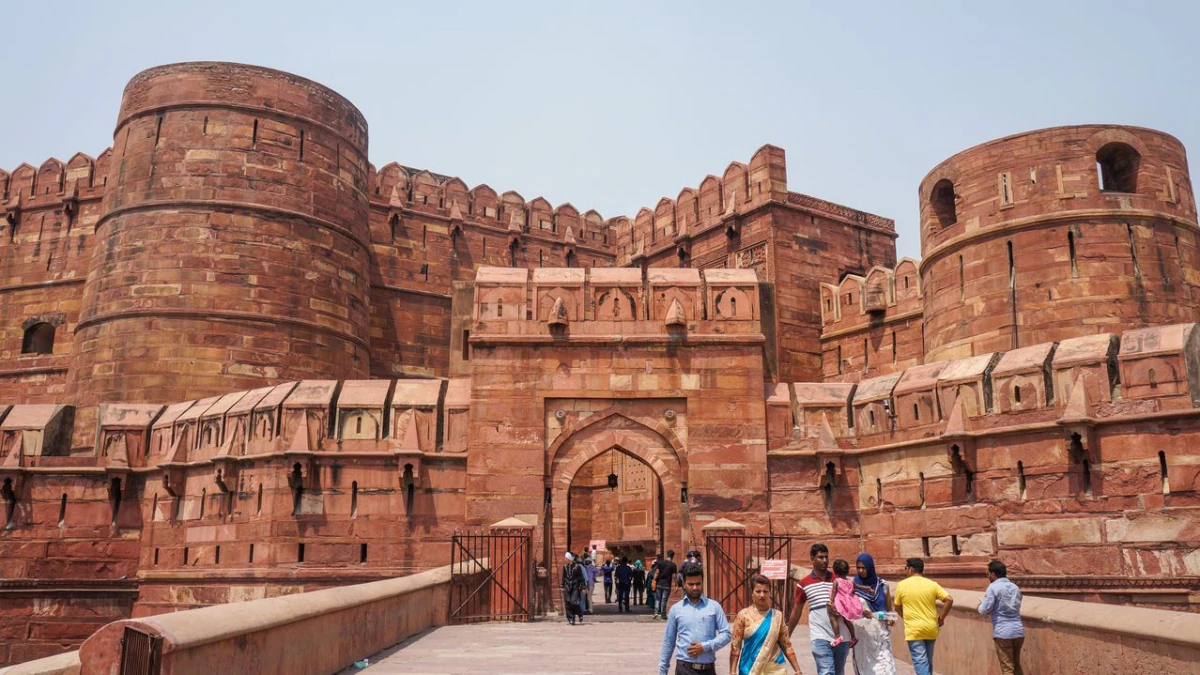
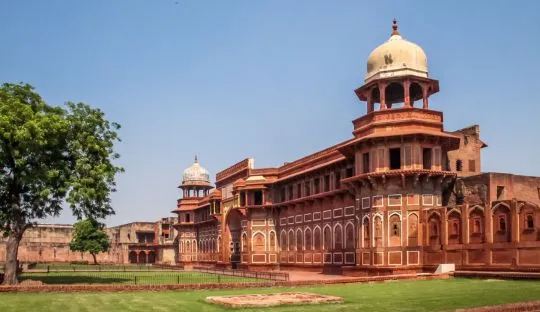
Another architectural marvel, the Agra Fort, is a UNESCO World Heritage Site located on the banks of the Yamuna River. Built by Emperor Akbar in the 16th century, it served as the main residence of the Mughal emperors until Delhi became the capital. The fort complex includes palaces, mosques, and audience halls, showcasing a fusion of Persian, Turkish, and Indian architectural styles.

Fatehpur Sikri
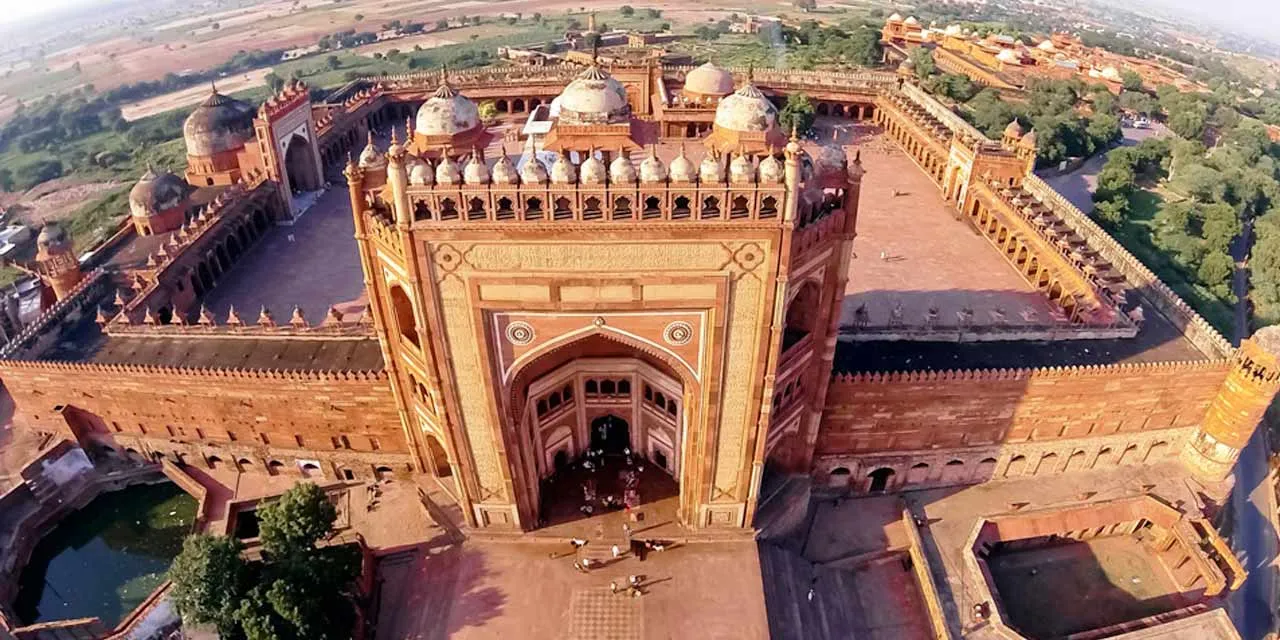
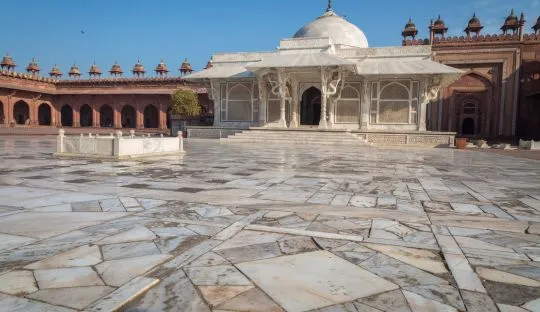
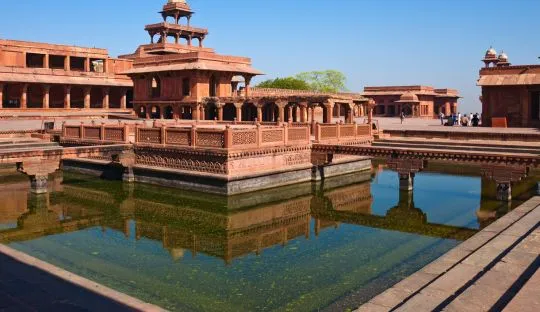
A short distance from Agra, Fatehpur Sikri is a well-preserved city built by Emperor Akbar. Declared a UNESCO World Heritage Site, it was the capital of the Mughal Empire for a short period. The city features architectural wonders like the Buland Darwaza, Panch Mahal, and the Jama Masjid.
Mehtab Bagh
For a serene view of the Taj Mahal, many visitors head to Mehtab Bagh, a charbagh complex located across the Yamuna River. The gardens provide a peaceful setting and a stunning perspective of the Taj Mahal, especially during sunset.
Cultural Heritage
Agra is not just about monumental architecture; it also boasts a rich cultural heritage. The city has been a melting pot of different cultures, resulting in a vibrant tapestry of music, dance, and arts. The traditional art of marble inlay work, known as Pietra Dura, is a specialty of Agra and can be seen in various structures, including the Taj Mahal.
Local Cuisine
Agra’s culinary scene is a delightful blend of Mughlai and North Indian flavors. The city is famous for its succulent kebabs, especially the renowned Agra ka Petha (a sweet made from ash gourd) and delicious Mughlai dishes. The narrow lanes around the Taj Ganj area are dotted with street food vendors offering a taste of Agra’s culinary delights.
Yamuna River and Ghats
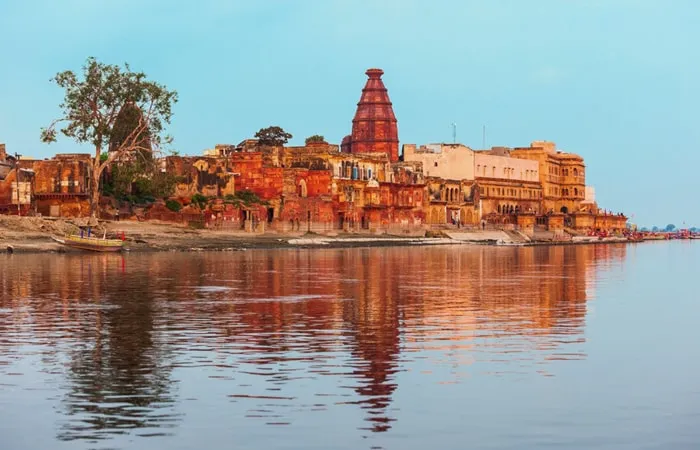
The Yamuna River flows beside Agra, and its ghats offer a serene escape from the bustling city. Locals and tourists alike visit these riverbanks for a peaceful view of the Taj Mahal and to enjoy boat rides.
Shopping
Agra is a paradise for shoppers looking for exquisite handicrafts, textiles, and leather goods. The markets around the Taj Mahal are filled with vendors selling marble handicrafts, leather goods, and traditional Indian clothing, making it an ideal place to pick up souvenirs.
Agra in Literature and Cinema
Agra’s cultural richness has inspired numerous works of literature and cinema. The Taj Mahal, in particular, has been a muse for poets, writers, and filmmakers, making Agra a recurring setting in artistic expressions.
Itimad-ud-Daulah’s Tomb
Itimad-ud-Daulah’s Tomb, known as the “Baby Taj,” is a magnificent mausoleum built for Itimad-ud-Daulah, a Persian nobleman and grand vizier of the Mughal Empire. This white marble tomb, completed in 1628, is renowned for its intricate pietra dura work and delicate inlay designs, making it a architectural masterpiece.
Festivals and Celebrations
Agra hosts several vibrant festivals throughout the year. The Taj Mahotsav, a ten-day cultural festival held in February, showcases traditional arts, handicrafts, and cuisine. The Urs, a festival commemorating the death anniversary of Sufi saint Sheikh Salim Chishti, is a colorful and lively event.
Environs
The region surrounding Agra offers additional attractions worth exploring. Sikandra, located about 10 kilometers from Agra, is home to the tomb of Mughal emperor Akbar, a grand monument that blends Mughal, Persian, and Hindu architectural styles. Fatehpur Sikri, a former Mughal capital, is an abandoned city known for its well-preserved red sandstone buildings.
Agra is a city that encapsulates the grandeur of the Mughal era through its architectural wonders, the epitome of love in the Taj Mahal, and the historical legacy preserved in its forts and palaces. Beyond its monuments, Agra’s cultural vibrancy and culinary delights make it a captivating destination for those seeking a deep dive into India’s rich history and heritage.
Beyond its iconic landmarks, Agra offers a wealth of other attractions to explore. The Jama Masjid, a grand mosque built by Mughal emperor Shah Jahan, is a stunning example of Mughal architecture. The Mehtab Bagh, also known as the “Moonlight Garden,” offers serene views of the Taj Mahal across the Yamuna River. The Agra Museum houses a collection of artifacts from the Mughal era, providing insights into the city’s rich history.